
 (800)293-0221



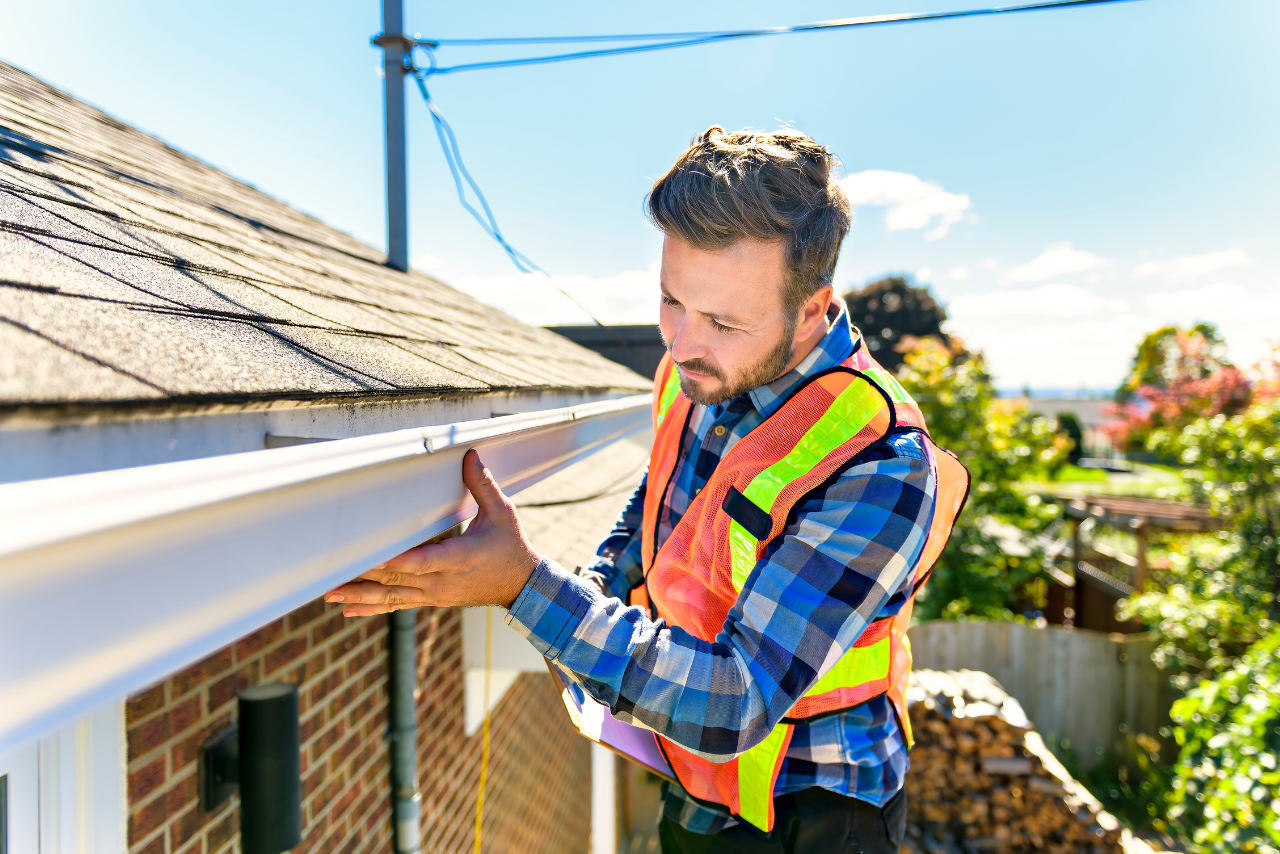
Your roof is one of the most important components of your property. It provides protection from the elements, contributes to energy efficiency, and helps maintain the overall structural integrity of your building. Whether you own a home or a business, the health of your roof should never be overlooked. Regular roof inspections are crucial to ensuring that your roof remains in good condition and continues to perform its protective function effectively.
In this blog post, we’ll discuss the importance of roof inspections, the benefits they offer, how often they should be done, and how they can help you avoid costly repairs or replacements. Whether you’re a homeowner or a business owner, understanding the value of regular roof inspections will help you maintain the integrity of your property and protect your investment.
What Are Roof Inspections?
A roof inspection is a professional evaluation of the condition of your roof. During an inspection, a certified roofing contractor examines various components of your roof, including the shingles, flashing, gutters, vents, and other structural elements. The goal is to identify any signs of damage, wear and tear, or potential issues that could lead to leaks or other problems down the line.
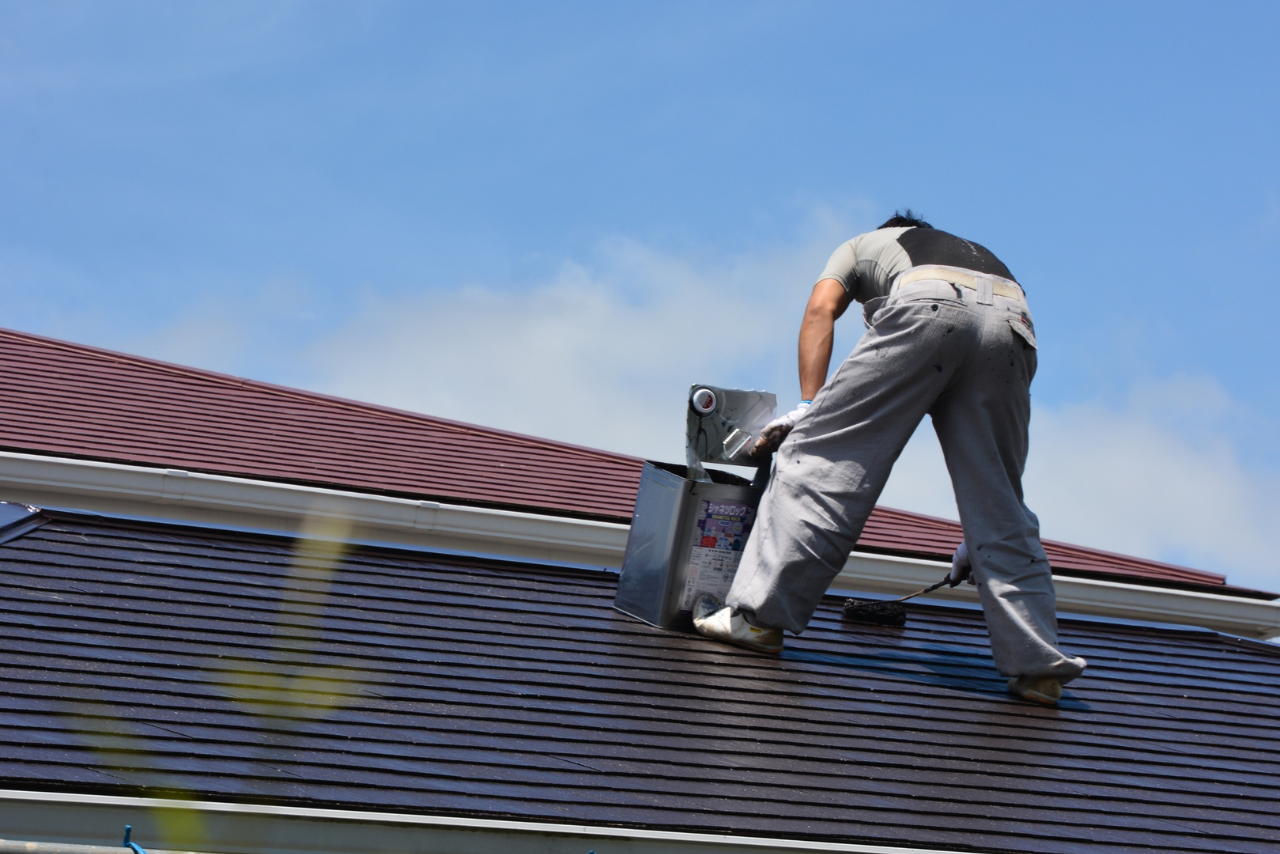
Roof inspections are typically conducted by experienced professionals who know what to look for. They will assess the roof’s overall health, perform tests for leaks, and provide recommendations for any necessary repairs or maintenance. There are two main types of roof inspections:
- Visual Inspections: This type of inspection involves a thorough visual examination of the roof from the ground or using ladders. While it can help spot obvious signs of damage, it may not identify hidden issues.
- In-Depth Inspections: A more detailed inspection where the contractor physically checks the roof’s components, including the attic space, gutters, and other structural elements. This type of inspection can uncover issues that might not be visible from the ground.
Why Are Roof Inspections Important for Homeowners?
1. Early Detection of Roof Damage
Regular roof inspections help detect issues early before they turn into expensive problems. Over time, your roof can suffer from various types of damage, such as leaks, missing shingles, cracked flashing, or worn-out seals around chimneys and vents. These issues can be caused by exposure to the sun, wind, rain, snow, or hail, and they can go unnoticed for months or even years.
By scheduling regular roof inspections, homeowners can spot damage early and take the necessary steps to repair it before it worsens. Small issues, such as a few missing shingles or clogged gutters, can be fixed relatively inexpensively. However, if these problems are left unaddressed, they can lead to more significant issues like water damage, mold growth, or even structural damage to your home.
2. Increased Lifespan of Your Roof
The lifespan of a roof can vary depending on the materials used and the quality of installation, but with proper maintenance and regular roof inspections, most roofs can last for 20 to 25 years or longer. Regular inspections help ensure that your roof is well-maintained and that minor repairs are addressed before they cause long-term damage.
Routine inspections also help extend the life of your roof by ensuring that it’s cleaned, cleared of debris, and that the flashing, seals, and underlayment are intact. When your roof is regularly maintained and repaired, it can serve its purpose of protecting your home for years to come.
3. Preventing Costly Repairs
Ignoring roof issues can be costly. Small leaks, cracks, or damaged shingles might not seem like a big deal at first, but over time, these problems can cause significant water damage, leading to expensive repairs for walls, ceilings, insulation, and even the foundation. Water that seeps into the roof can also create mold growth, which can pose health risks to you and your family.
By scheduling regular roof inspections, you can catch these issues early and avoid the high cost of major repairs. Proactive maintenance ensures that your roof continues to perform as it should, protecting your home and belongings from the elements.
4. Improved Energy Efficiency
Your roof plays a key role in maintaining the energy efficiency of your home. A damaged or poorly insulated roof can lead to heat loss during the winter and excessive heat gain during the summer, causing your HVAC system to work harder to maintain a comfortable indoor temperature. This can result in higher energy bills.
During a roof inspection, the contractor will assess the insulation and ventilation of your roof to ensure it’s working efficiently. If any issues are found, such as poor insulation or improper ventilation, they can be addressed to improve the energy efficiency of your home, reduce energy costs, and improve comfort.
5. Insurance and Warranty Benefits
Many homeowners’ insurance policies require regular roof inspections to ensure that the roof is in good condition. Insurance companies may also be more likely to approve claims for roof damage if you can provide documentation of regular inspections. This can be particularly important if your roof suffers storm damage, as you’ll have proof that the roof was properly maintained.
Additionally, if your roof is still under warranty, regular inspections may be required by the manufacturer to keep the warranty valid. Failing to have your roof inspected regularly could void the warranty, leaving you responsible for repairs or replacements.
Why Are Roof Inspections Important for Businesses?
1. Protecting Commercial Assets
For business owners, the roof is not just a protective element for the building; it also safeguards valuable assets, inventory, and equipment. A damaged or leaking roof can lead to significant financial losses, especially if water damage affects your stock or business operations. Regular roof inspections can help protect your business from these risks by identifying vulnerabilities and addressing them before they cause damage.
2. Compliance with Building Codes
In many areas, businesses are required to meet certain building codes and safety regulations, including those related to roof maintenance. Regular roof inspections ensure that your building remains in compliance with local regulations. If your roof is damaged or doesn’t meet code requirements, you could face fines or even legal issues.
3. Employee and Customer Safety
A roof in poor condition can pose a safety risk to both employees and customers. For example, a leaking roof can lead to water pooling on floors, creating slip hazards. In extreme cases, a weakened roof structure can collapse, causing injury or property damage. Roof inspections help identify any structural weaknesses and prevent these types of safety risks, ensuring the well-being of everyone in the building.
4. Insurance Considerations for Businesses
Just like homeowners, businesses rely on insurance to protect against roof damage, particularly from storms or severe weather. Having regular roof inspections helps ensure that your roof is in good condition, making it easier to file insurance claims if damage does occur. Additionally, many business insurance policies require proof of regular roof maintenance, so inspections help fulfill this requirement.
5. Business Continuity and Reputation
For businesses, roof damage can lead to disruptions in operations. A leaking roof could result in the closure of the business until repairs are made, leading to lost revenue. Regular roof inspections help identify potential issues before they disrupt business operations, allowing you to stay open and maintain a positive reputation with customers.
When Should You Schedule Roof Inspections?
1. After a Storm
If your area experiences severe weather, such as hurricanes, hailstorms, or heavy winds, it’s essential to schedule a roof inspection as soon as possible. Even if you don’t notice visible damage, these types of storms can weaken the roof and lead to hidden issues that may worsen over time.
2. Annually or Bi-Annually
For most homes and businesses, scheduling a roof inspection at least once a year is recommended. In areas with more extreme weather conditions, such as Southwest Florida, bi-annual inspections may be necessary to ensure that the roof remains in good condition. Regular inspections will help keep your roof in top shape and prevent minor issues from turning into costly repairs.
3. Before Selling or Purchasing Property
If you are selling or purchasing a home or commercial building, it’s wise to have a roof inspection done before closing the deal. A pre-sale roof inspection can help identify any potential issues that may affect the value of the property or cause delays in the sale. If you’re buying a property, an inspection can give you peace of mind that the roof is in good condition and will not require immediate repairs.
4. When You Notice Warning Signs
If you notice any of the warning signs discussed earlier, such as leaks, poor insulation, or roof damage, it’s important to schedule a roof inspection immediately. Early detection of issues can save you money on repairs and prevent further damage.
Conclusion
Regular roof inspections are a vital part of maintaining the integrity of your property, whether you’re a homeowner or a business owner. They help detect issues early, extend the lifespan of your roof, improve energy efficiency, and protect your investment from costly repairs or replacements. Additionally, they ensure that your property remains safe, compliant with building codes, and comfortable year-round.
By scheduling regular roof inspections, you can enjoy peace of mind knowing that your roof is in good condition and prepared to withstand the elements. Don’t wait for leaks or damage to appear—proactively address any issues with regular inspections and keep your roof, and your property, in top shape.